
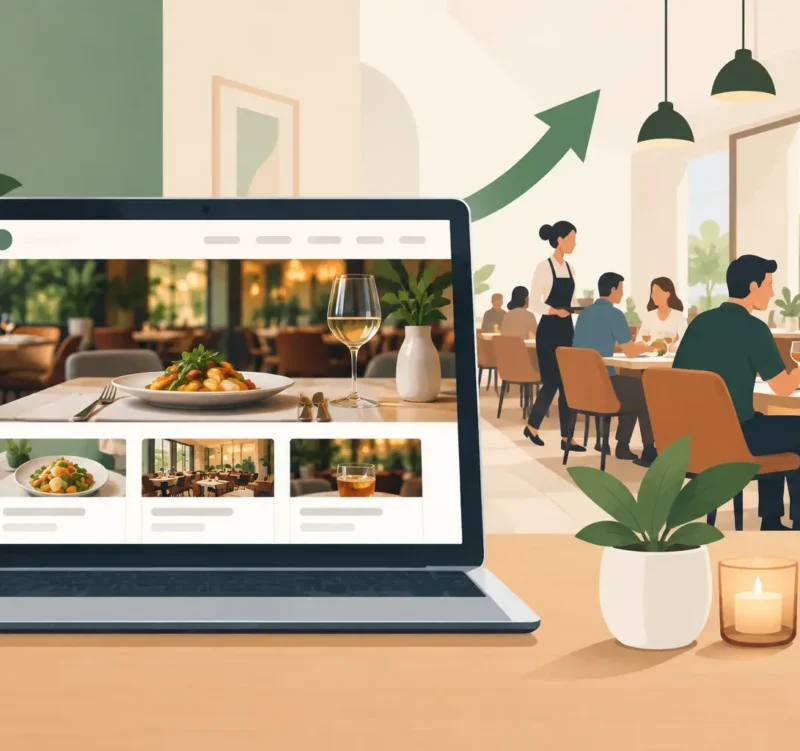
Someone is standing on a Wilmington sidewalk, scrolling for a dinner spot. Another is at home in Millsboro looking for takeout after a long day. They do not need a long story about your restaurant. They need to know what you serve, whether you are open, where to park, and how to reserve a table or place an order. A thoughtful restaurant website redesign makes those answers easy to find before that customer moves on to the next option.
For local restaurants, a website is not just a digital brochure. It is a working part of the front of house. It helps customers decide, plan, order, and return. When it is outdated, slow, hard to use on a phone, or missing basic information, even a great dining experience can lose business before guests ever walk through the door.
When a Restaurant Website Redesign Is Worth It
A redesign is not always about changing colors or chasing the latest design trend. It is about correcting the gaps that make it harder for people to choose you. If your website was built years ago, it may no longer reflect your current menu, service style, location, or brand. A restaurant that has added catering, online ordering, private events, a new bar program, or seasonal dining needs a site that supports those goals.
There are a few clear warning signs. Your menu may be a tiny PDF that is frustrating to read on a phone. Your hours may be buried on an inside page. Reservation, ordering, and gift card buttons may be difficult to find. Or the site may look fine on a desktop computer but feel cramped and confusing on mobile.
A redesign can also be the right move when your visual identity has outgrown the website. Maybe your food photography is strong, your dining room has character, and your staff delivers excellent service, but the site still looks generic. That disconnect can make a polished restaurant feel less established than it really is.
The goal is not to make the website flashy. The goal is to make your restaurant look its best, get found, and give customers confidence to act.
Start With the Customer’s First Questions
Restaurant owners know how much detail goes into a service. Your website should respect that same attention to the customer experience. Before choosing layouts or features, consider what a first-time visitor needs within a few seconds.
Can they immediately tell what kind of food you serve? Can they see your location and current hours? Can they find the menu without pinching and zooming? Can they reserve, order, or call without searching for a button?
Those basics sound obvious, but they are often where restaurant sites fall short. Too many homepages lead with large images and vague language while the information customers actually need is hidden below the fold. Great photography matters, especially for food businesses, but it should support a clear decision path rather than get in the way of one.
For most independent restaurants, the homepage should quickly establish the restaurant’s personality, feature a strong food or atmosphere image, and direct visitors toward the actions that matter most. Depending on your business model, that might mean reservations, online ordering, a current menu, catering inquiries, or private event requests.
What comes first depends on how you operate. A fine-dining restaurant may prioritize reservations and dress code details. A fast-casual spot may put online ordering at the center. A neighborhood bar and grill may need daily specials, happy hour information, and entertainment details to be easy to spot. A good redesign follows your actual business, not a one-size-fits-all restaurant template.
Make the Menu Easy to Read and Easy to Update
The menu is often the most visited page on a restaurant website. Treat it that way.
A menu should be readable on a phone, organized by category, and kept current. Customers should not have to download a file just to see whether you have vegetarian options, seafood, kids’ meals, or desserts. PDFs have their place for print-ready menus or special event packages, but relying on a PDF as the only menu experience creates friction for mobile visitors and makes quick updates harder.
An on-page menu also gives search engines more useful information about what you serve. If someone searches for crab cakes in Delaware, wood-fired pizza near Wilmington, or a local spot with vegan lunch options, descriptive menu content can help reinforce relevance. This does not mean stuffing every dish name with location terms. It means presenting real, useful information in a clear format.
Accuracy matters just as much as presentation. Nothing frustrates a guest faster than arriving for an item, price, or special that changed weeks ago. Build the redesign around a menu system your team can realistically maintain. If prices and offerings change frequently, make sure the update process is simple enough to keep up during a busy week.
Put Mobile Guests First
Most restaurant decisions happen on a phone, often close to mealtime. That makes mobile design a business priority, not an afterthought.
On a small screen, visitors should be able to tap your phone number, get directions, check hours, view the menu, and begin a reservation or order with minimal effort. Buttons need to be large enough to use. Text needs enough contrast to read. Pop-ups need to stay out of the way. Pages need to load quickly, even when a customer has a weak signal in a parking lot or is checking options from the car.
High-resolution food and interior images can make a strong impression, but oversized image files can slow down the site. This is one of the practical trade-offs in a restaurant website redesign. You want beautiful visuals without making hungry customers wait. Properly sized images, efficient page design, and a focused layout can deliver both.
Avoid forcing visitors through unnecessary steps. If online ordering is handled by a third-party platform, make the path to it obvious. If reservations are your main source of dinner traffic, give that action a consistent home in the header and on key pages. The easier it is to act, the more likely customers are to follow through.
Build Trust Before the First Visit
People choose restaurants with their eyes, but they also choose based on trust. Your site should answer the quiet questions that can stop a customer from trying somewhere new.
Use current photography that shows the food, dining room, exterior, and atmosphere honestly. A cozy neighborhood Italian restaurant should not look like a corporate chain online. A family-friendly breakfast spot should make its welcoming personality clear. A polished visual identity, consistent colors, and professional typography tell customers that care goes into the experience.
Include practical details that reduce uncertainty. Mention parking if it is available. Explain whether you take reservations or walk-ins. Share accessibility information where appropriate. List dietary accommodations if your kitchen can support them. If you host private parties, explain the room capacity, inquiry process, and the type of events you handle.
Customer reviews can help, but they should not take over the page. A few well-chosen comments may reinforce your reputation, while a site overloaded with rotating review widgets can feel cluttered and slow. The strongest proof is a website that looks current, gives clear answers, and reflects the quality of your operation.
Do Not Let Search Visibility Get Lost in the Redesign
A new site should improve your visibility, not erase the progress you have already made. This is where planning matters. When a restaurant website redesign changes page addresses, menu structure, or content without care, search engines and customers can hit dead ends.
Keep valuable pages where possible, and make sure old addresses point visitors to the right new pages. Carry over accurate location details, service descriptions, and menu content. If you serve several nearby communities, be clear about your physical location and the areas you serve through catering, delivery, or events.
Local search is especially important for restaurants. Your website should match the business name, address, phone number, and hours shown across your other online listings. Seasonal hours, holiday closures, and special events need a process for timely updates. A website can help you be found, but outdated information can quickly cost trust.
Search visibility is built over time. The redesign gives you a stronger foundation, but ongoing attention to menu updates, fresh content, technical maintenance, and local information keeps that foundation working.
Give Your Team a Site They Can Manage
A beautiful website that no one can update becomes outdated fast. Before a redesign begins, decide who will handle routine changes and what they will need to change most often. That may include hours, specials, menus, event dates, holiday messages, photos, or catering details.
Some owners want to make small edits themselves. Others prefer a responsive local partner to handle updates so the team can stay focused on service. Both approaches can work. What matters is having a dependable process before you need it at 4:30 p.m. on a Friday.
At Catalyst Visuals, we see the best results when web design, visual branding, printed materials, and ongoing marketing support work together. Your menu design, signage, social posts, catering materials, and website should feel like they belong to the same restaurant. That consistency helps people recognize you and feel confident choosing you.
A restaurant website does not need to do everything. It needs to do the right things well: show customers why they should visit, remove the obstacles to booking or ordering, and keep your information accurate. If your current site is making people work too hard for those answers, it is time to give your restaurant a better first impression – and let every busy service start with more people ready to walk through the door.