
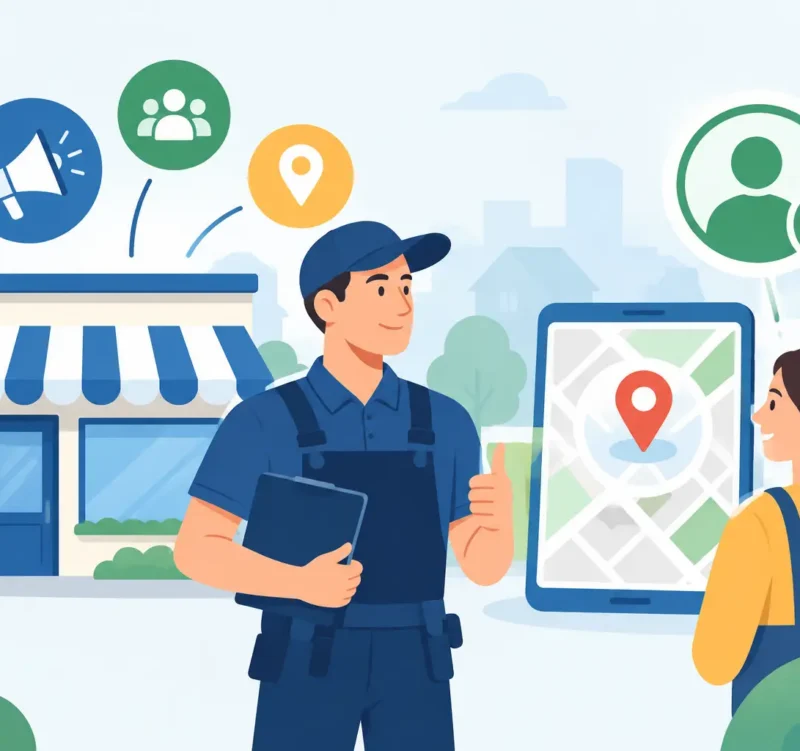
A homeowner with a leaking pipe, a parent looking for tutoring, or a business owner who needs an accountant is not shopping for marketing jargon. They are looking for someone nearby who looks credible, responds promptly, and makes the next step easy. That is the real answer to how to market local services: show up where local customers look, look professional when they find you, and give them a clear reason to call.
For a local service business, visibility and trust work together. A great referral can be lost to an outdated website. A high Google ranking can go to waste if your branding feels inconsistent or your phone number is hard to find. The strongest marketing is not one campaign. It is a connected system that helps people recognize your business, understand what you do, and feel confident choosing you.
Start With a Clear Local Promise
Before spending on ads, social posts, or search optimization, get specific about what you want to be known for. “Quality service” is expected. It is not a differentiator. Customers need to understand the practical reason to choose your company over another option a few miles away.
Your promise may be fast emergency response, careful work in historic homes, transparent estimates, specialized expertise, family-friendly service, or reliable support for local businesses. The right message depends on your market. A Sussex County contractor may benefit from highlighting dependable scheduling and local experience, while a Wilmington professional practice may need to lead with expertise, convenience, and a polished client experience.
Put that promise into plain language across your website, vehicle graphics, business cards, proposals, signage, and social profiles. When every customer touchpoint tells a slightly different story, people notice. Consistency makes a small business feel established.
Build a Website That Helps Customers Take Action
Your website is often the first place a prospect checks after hearing your name. It does not need to be flashy. It needs to work hard.
A service website should immediately answer three questions: What do you do? Where do you work? How can someone contact you? The answers should be obvious on a phone screen, not buried in a menu or a paragraph of company history.
Give each major service its own useful page. A plumber should not rely on one generic “Services” page to explain drain cleaning, water heater installation, and emergency repairs. A law firm, salon, nonprofit, or cleaning company has the same opportunity: create clear pages that explain the service, who it is for, what customers can expect, and how to get started.
Local details matter here. Mention the towns, counties, and neighborhoods you genuinely serve. Include photos of your team, work, location, or local projects when possible. Stock photography can fill a gap, but real visuals make a stronger case that you are an active, accountable business in the community.
A professional site also needs basic maintenance. Broken forms, old staff bios, expired promotions, and slow pages quietly damage trust. Marketing works better when the foundation is current.
Be Found When Local Customers Search
Most local service searches have intent behind them. Someone searching “roof repair near me” or “Wilmington Delaware business attorney” is not casually browsing. They may be ready to contact a provider that day.
Start by claiming and fully completing your Google Business Profile. Use the correct business name, category, service area, hours, phone number, website address, and current photos. Keep it accurate. If your office hours change seasonally or you add a new service, update the listing promptly.
Reviews are a major part of local trust. Ask satisfied customers for honest feedback shortly after the job is complete, when the experience is fresh. Make the request simple and personal. Do not pressure people or offer incentives for positive reviews. A steady flow of genuine reviews is more valuable than a sudden burst that looks manufactured.
Search engine optimization also belongs on your website. Use the phrases customers use when they describe their problem or search for help. That means writing naturally about your services and service areas, not repeating city names until the page becomes unreadable. Good local SEO makes your expertise easier for customers and search engines to understand.
How to Market Local Services Without Chasing Every Channel
Small businesses rarely have unlimited time or budget. You do not need an active presence on every platform. You need to invest in the channels that match how your customers make decisions.
For many local service companies, the priority order is straightforward: a strong website, a complete Google Business Profile, consistent reviews, referral relationships, and follow-up. Social media can support those efforts, especially when visual work, community involvement, before-and-after results, or seasonal advice give you something useful to share.
If you offer a service people need urgently, search visibility and fast response matter more than posting several times a week. If your business depends on long-term relationships or visual trust, social media and email may play a larger role. The right mix depends on your sales cycle, competition, and customer habits.
Turn Every Job Into Marketing Material
Your best marketing may already be happening on job sites, in client meetings, and at local events. The difference is whether you capture and reuse that proof.
With customer permission, document completed projects with good photography. Share a brief case study that explains the problem, the work performed, and the result. A short testimonial is even stronger when it is specific: punctuality, communication, cleanliness, craftsmanship, responsiveness, or a difficult issue solved correctly.
Print still has a place in local marketing when it is used with purpose. Leave-behind folders, service menus, rack cards, door hangers, event signage, and branded apparel can reinforce a professional image. They work best when they match your website and digital presence. A customer should recognize your business whether they see a postcard, a truck, or a search result.
Community partnerships can also create visibility that paid ads cannot replicate. Support a school event, participate in a chamber program, sponsor a local team, or build referral relationships with businesses that serve the same customers. Choose involvement that feels genuine. Local audiences can tell the difference between showing up once for a logo placement and being consistently engaged.
Follow Up Faster and More Thoughtfully
Many local businesses lose leads after doing the hard work of generating them. A prospect submits a form, leaves a voicemail, or sends a social message, then waits. If another company replies first with a clear next step, the decision may be made before you ever respond.
Create a simple process for new inquiries. Confirm that you received the request, state when the person can expect a response, and make sure someone owns the follow-up. For estimates, send a professional proposal that clearly explains the scope, timing, cost, and next action. The quality of this communication is part of your brand.
Do not stop after the sale. A polite check-in, a maintenance reminder, or a seasonal message can bring customers back when they need you again. It can also create referrals. Staying visible does not require constant promotion. It requires being helpful enough that people remember you at the right moment.
Measure What Brings Real Leads
Likes and follower counts can be encouraging, but they are not the goal. Track the outcomes that keep your business moving: calls, form submissions, estimate requests, booked appointments, qualified leads, and revenue by source.
Ask new customers how they found you. Review which website pages bring inquiries. Pay attention to the services people request most often and the towns producing the best leads. This information helps you spend more confidently and stop investing in efforts that look busy but do not produce business.
Marketing does not have to feel like another full-time job. Build the essentials, keep your image consistent, and improve one weak point at a time. If you need help bringing your website, search presence, print materials, and brand together, a responsive local partner such as Catalyst Visuals can make the work more manageable. The next customer looking for your service should not have to guess whether you are the right choice. Make it easy for them to see it.