
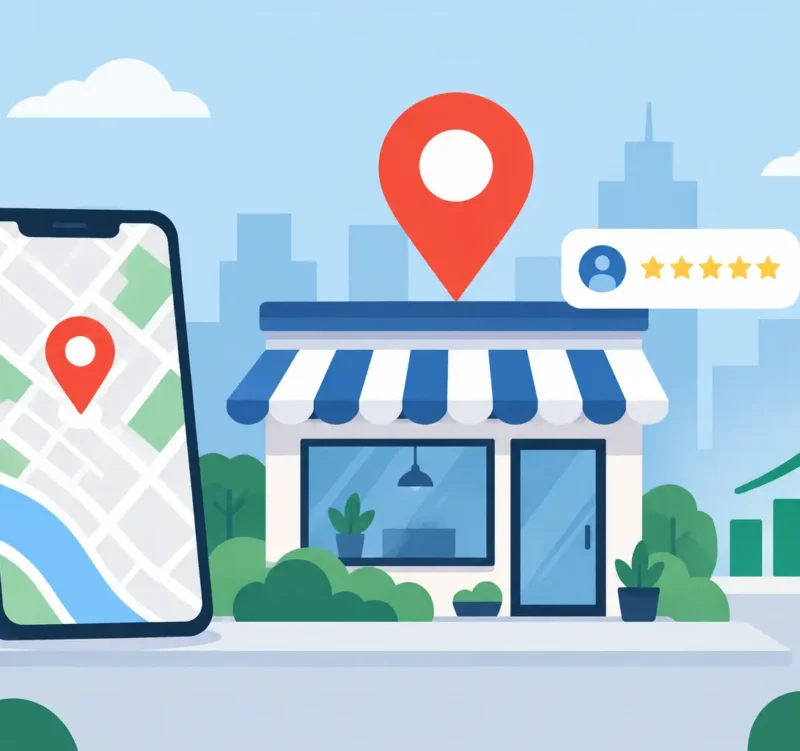
A customer searches for a contractor, dentist, restaurant, or accountant near them because they need an answer now. If your business does not appear, look credible, or give them a clear next step, that customer is likely calling someone else. Learning how to improve local visibility is not about chasing every marketing trend. It is about making it easy for nearby customers to find you, trust you, and take action.
For small businesses in Wilmington, Millsboro, and throughout Delaware, local visibility is built through a connected set of details: a polished website, accurate business listings, a recognizable brand, helpful reviews, and marketing that reflects the community you serve. You do not need a giant marketing department to compete. You need a clear foundation and consistent follow-through.
Start Where Local Customers Actually Search
Most local buying decisions begin with a search engine, a map listing, or a recommendation from someone who has already done business with you. That means your online presence has to answer practical questions quickly: What do you do? Where do you work? How can someone contact you? Why should they choose you?
Your Google Business Profile is one of the first places to focus. Claim it, verify it, and treat it like an active storefront rather than a form you filled out years ago. Use your real business name, current phone number, correct hours, service areas, and a category that matches your primary service. Add recent photos of your team, location, completed work, products, or events. A blank or outdated profile can make a capable business look inactive.
Keep the same core business information everywhere it appears online. Your name, address, phone number, website address, and hours should match across directories, social profiles, and your own website. Small inconsistencies can confuse customers and search engines alike. If you moved, changed a phone number, or expanded to a second location, make updating those details a priority.
Build a Website That Gives People Confidence
A website does not have to be complicated, but it does have to work. Local customers often visit from a phone between errands, during a lunch break, or after hours. They should be able to understand your business and reach you without pinching, zooming, or hunting through crowded pages.
Start with the basics. Put your primary services, location, phone number, and a clear call to action where visitors can see them immediately. If you serve Wilmington and Sussex County, say so naturally. If you work across Delaware, explain the specific communities or service areas that matter to your business. Generic wording such as “serving all your needs” does not help a customer or a search engine understand where you fit.
Each important service deserves its own useful page. A law firm may need separate pages for estate planning and business law. A contractor may need pages for kitchen remodeling, roofing, and commercial work. A restaurant needs an accurate menu, hours, ordering details, and directions. These pages should explain what customers can expect, show relevant photos or examples, and make contacting you simple.
Good local website content is specific without sounding forced. Mention the places you genuinely serve, the types of projects you handle, and the local concerns your customers bring to you. Do not create dozens of nearly identical town pages with only the place name changed. That creates weak content and rarely earns trust. One strong service page with real examples is more valuable than a pile of filler.
How to Improve Local Visibility With Reviews
Reviews are not just a reputation tool. They are proof that real people have trusted your business, and they often influence whether a prospect calls you or your competitor. A business with current, thoughtful reviews looks established. A business with no recent feedback can look uncertain, even when its work is excellent.
Make asking for reviews part of your normal process. The right time is soon after a successful project, completed appointment, delivered order, or resolved service call. Keep the request straightforward and personal. Let customers know that their feedback helps other local people find a business they can trust.
Do not offer incentives in exchange for positive reviews or pressure customers about what to write. Honest feedback is more useful and more credible. Respond to reviews, too. A short thank-you shows appreciation. A calm, professional response to a negative review shows prospective customers that you take concerns seriously.
If a customer raises a legitimate issue, address it offline when possible and focus on a solution. Not every negative review is fair, but an emotional public argument almost never helps. Future customers are watching how you handle the situation.
Make Your Brand Easy to Recognize
Local visibility is not only about appearing in a search result. It is about being remembered when a customer sees your truck, brochure, social post, storefront sign, or business card later that week. Inconsistent branding makes that harder.
Use the same logo, colors, voice, and basic message across your website, print materials, social channels, email signature, and physical location. Your brand does not need to be flashy. It needs to look intentional. A clean logo, readable type, strong photography, and professionally designed materials communicate that you care about the details of your work.
This matters especially for service businesses, where customers may be making a decision before they ever meet you. A polished estimate, vehicle graphic, yard sign, presentation folder, or leave-behind card can reinforce the confidence created online. Your digital and printed materials should feel like they came from the same business.
Show Up in Your Community, Then Share the Proof
The advantage local businesses have over national brands is proximity. You know the neighborhoods, events, schools, organizations, and business communities that shape your market. Use that advantage in a genuine way.
Support a local event, participate in a chamber activity, sponsor a youth team, host a workshop, partner with another local business, or volunteer your expertise to a nonprofit. The goal is not to plaster your logo everywhere. It is to build real familiarity and relationships that fit your business.
Then document the work. Take a few good photos, share a brief recap on your website or social media, and recognize the people or organizations involved. This gives your marketing local substance. It also provides fresh content that shows your business is active, accessible, and connected to the area.
Social media is useful here, but it should not become a daily burden with no return. Choose one or two platforms where your customers are likely to pay attention. A home services company may benefit from before-and-after project photos. A nonprofit may see stronger engagement through event updates and volunteer stories. A professional practice may do better with practical tips that answer common questions. Consistency matters more than posting everywhere.
Measure Calls, Direction Requests, and Real Leads
Visibility is only valuable if it supports business goals. More followers may feel encouraging, but a small business usually needs calls, form submissions, appointment requests, store visits, quote requests, or event registrations.
Review your website and profile activity regularly. Look for which services people view, what search terms bring visitors to you, how many calls or direction requests your business profile receives, and which marketing efforts generate qualified inquiries. If your phone rings but leads are not a fit, clarify your service descriptions, pricing expectations, or service area. If your website receives visits but few contacts, improve the call to action and make forms easier to use.
Marketing results take time, especially in competitive local categories. Search visibility is not an overnight switch. Still, you should be able to see progress in practical signs: more accurate listings, better review volume, stronger website engagement, more local recognition, and better-quality leads.
Keep the Work Manageable
Many business owners delay local marketing because every task feels like another full-time job. The answer is not to do everything at once. Fix the gaps that make customers hesitate first, then create a simple routine for keeping things current.
A good starting order is your business profile, website contact information, core service pages, reviews, and brand consistency. From there, build a realistic monthly rhythm for adding photos, sharing completed work, checking listings, and reviewing what is producing leads. If you need help, a responsive local marketing partner can coordinate the design, website, search, and print pieces so the work stays connected.
The businesses that get noticed locally are rarely the loudest. They are the ones that look prepared, make it easy to get in touch, and keep showing customers that they are ready to do good work.